
Power the Pulse of Progress
Study industry-aligned B.Tech Electrical Engineering syllabus at TITE Khordha and elevate your career.
B.Tech Electrical Engineering at TITE, Bhubaneswar
Intake Capacity
The Department of Electrical Engineering at Temple City Institute of Technology & Engineering (TITE), Khordha, is focused on building a strong academic foundation while preparing students for the demands of modern industry. As one of the emerging electrical engineering colleges in Bhubaneswar, the department offers a structured B.Tech in Electrical Engineering program that blends core concepts such as power systems, electrical machines, and control engineering with practical exposure through advanced and well-equipped laboratories. Students are encouraged to move beyond theory and understand how systems work in real-life applications.
What sets the department apart is its emphasis on clarity of fundamentals, hands-on learning, and industry relevance. The B.Tech Electrical Engineering syllabus is delivered by experienced faculty, with regular lab work and opportunities to work on projects that reflect current technological needs. With a focused intake and close academic support, students at TITE College Khordha gain the confidence to pursue careers in the core electrical sectors, higher studies, or competitive examinations, making it a strong choice for those seeking a reliable electrical engineering course in Odisha.
Programme Name: B.Tech in Electrical Engineering

OURVISION

OURMISSION
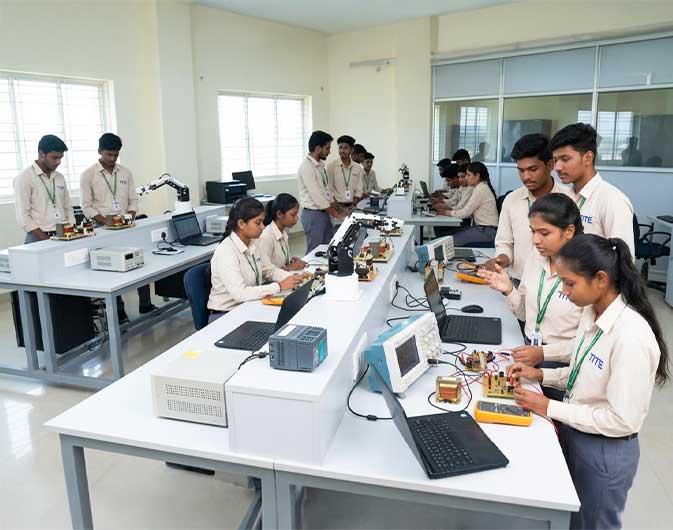
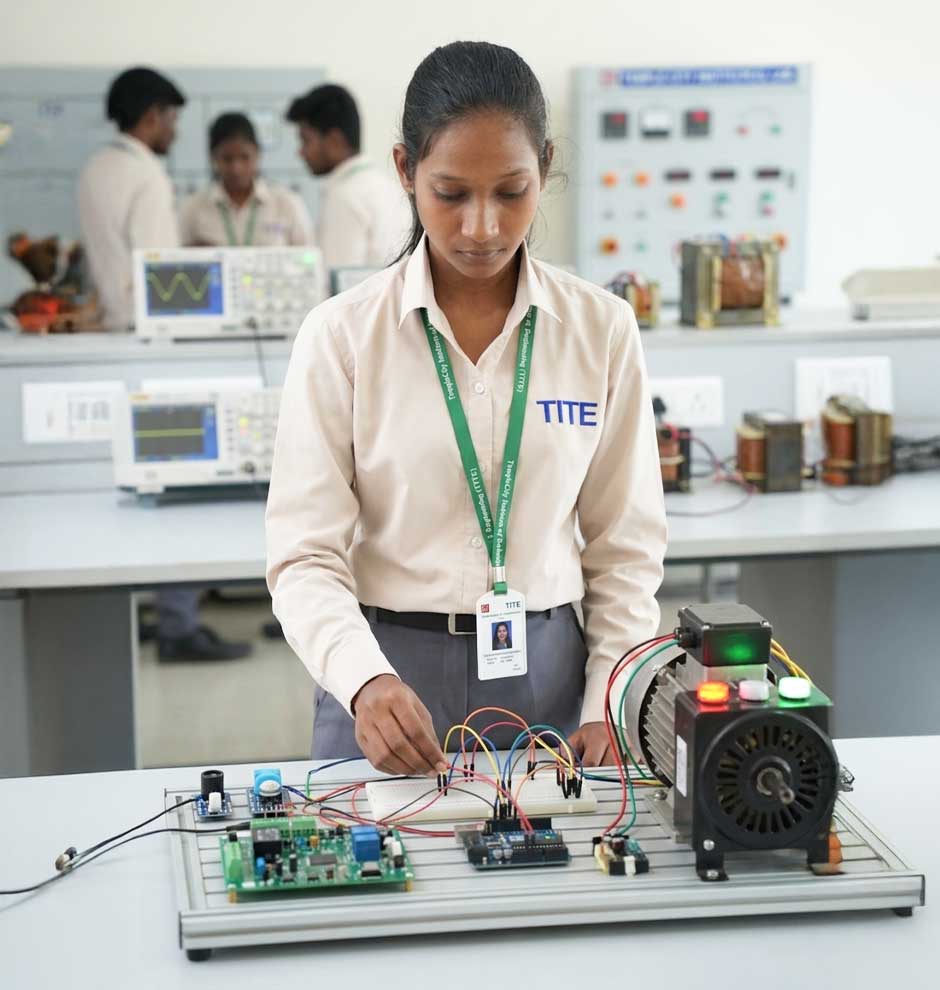
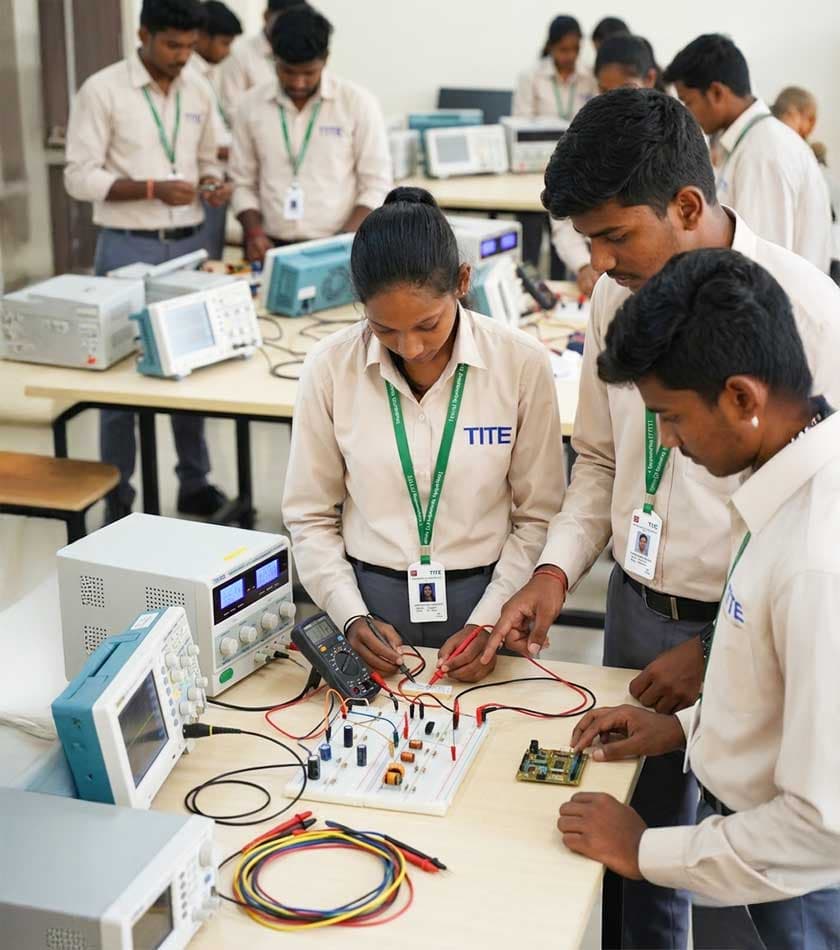
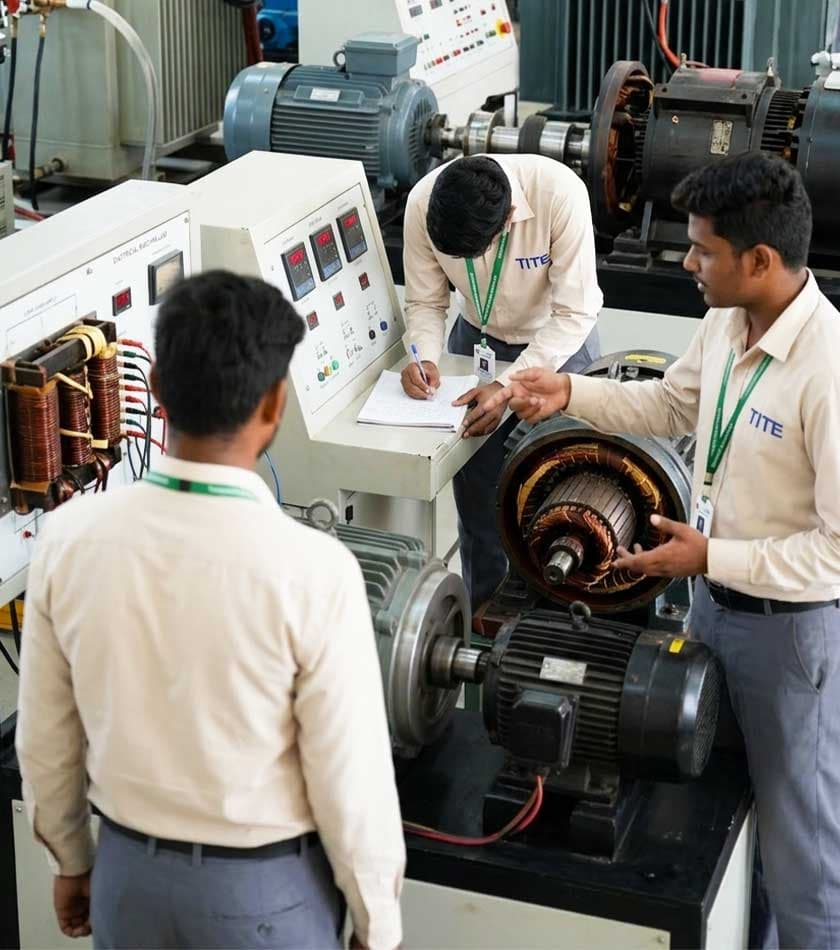
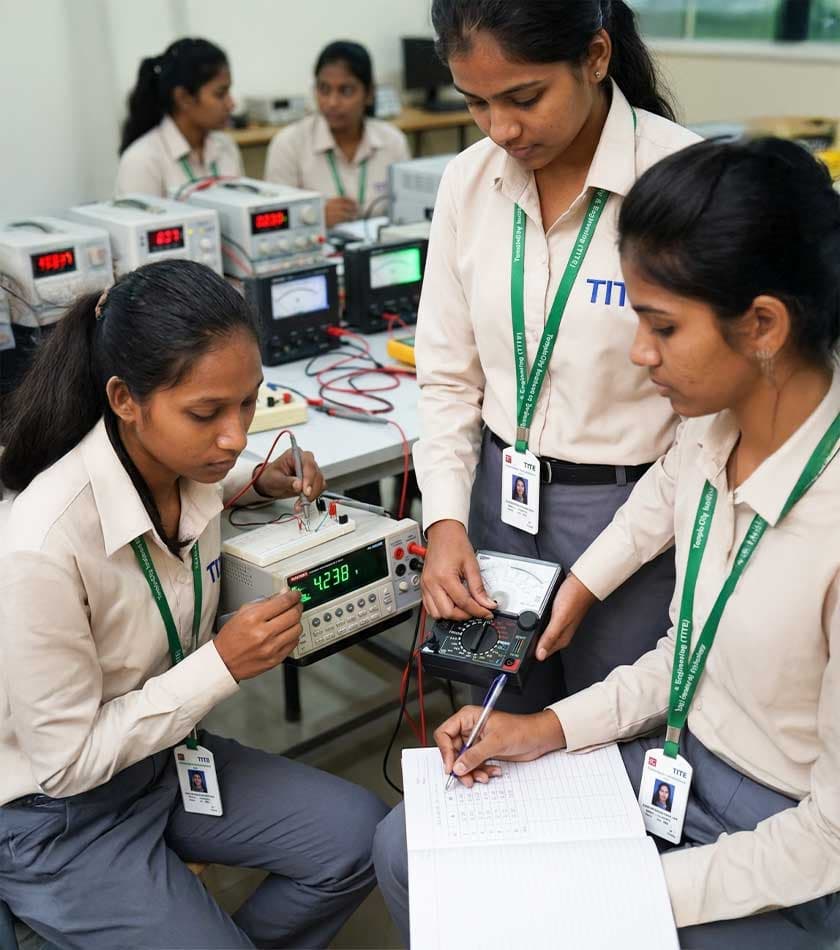
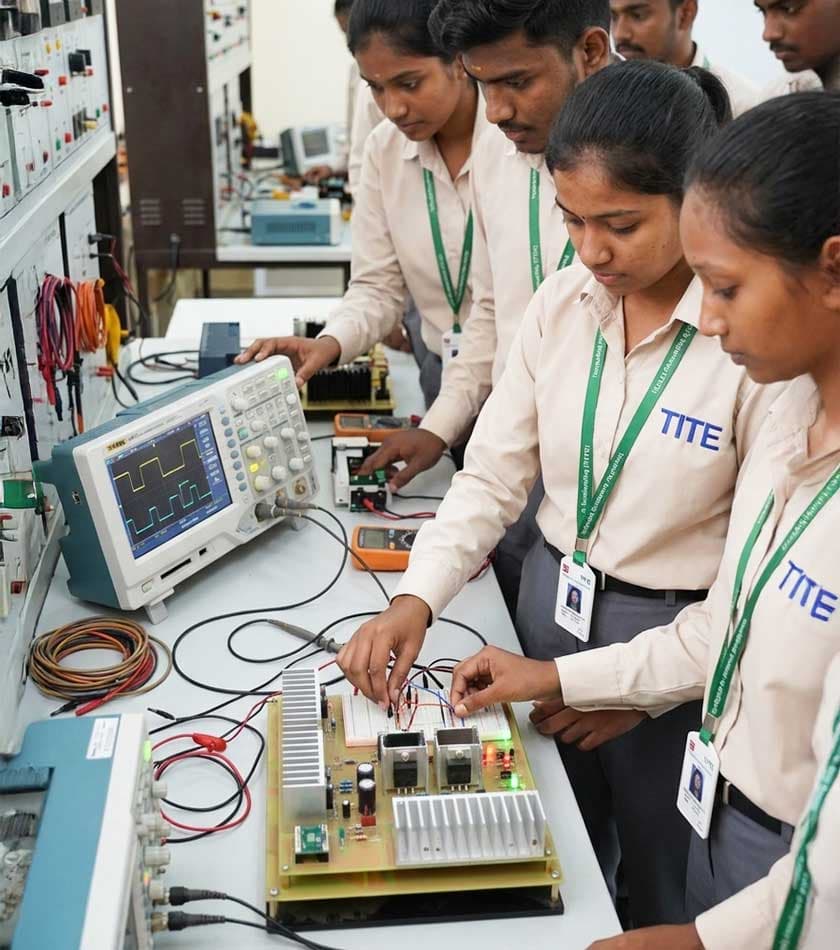
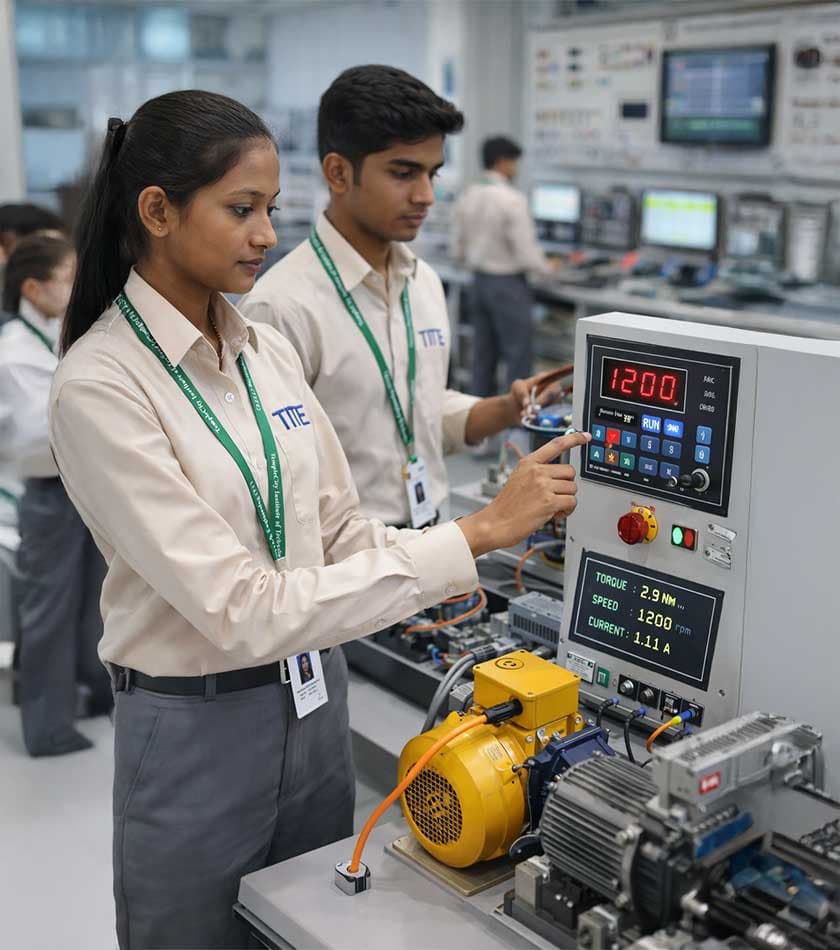
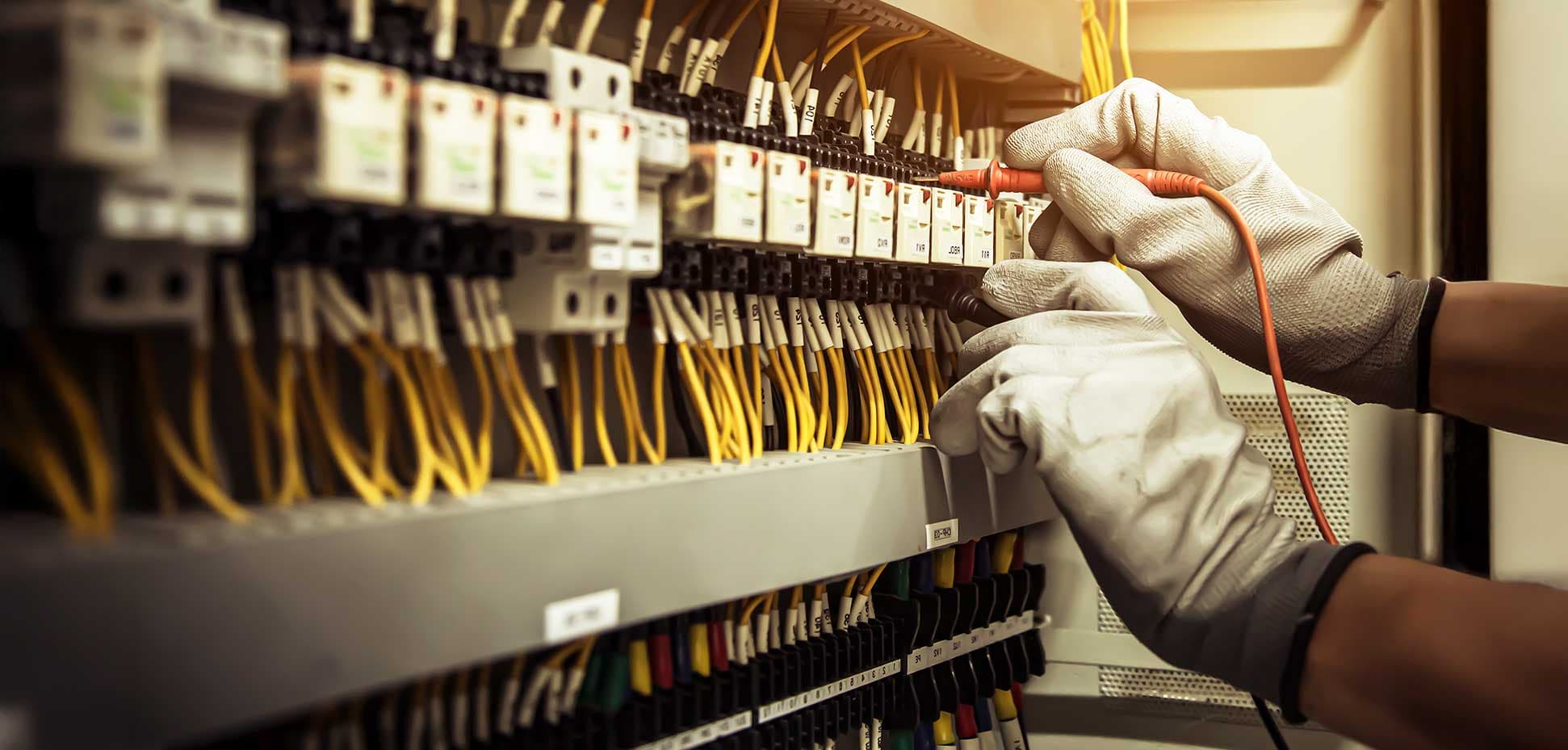
Advanced Electrical Labs for Practical Exposure
Join one of the best B.Tech, M.Tech and MBA colleges in Odisha and build a future powered by innovation, AI, and real-world skills.
Join the World of Electrical Innovation at TITE.
Apply NowWhy Choose TITE for B.Tech in Electrical Engineering?
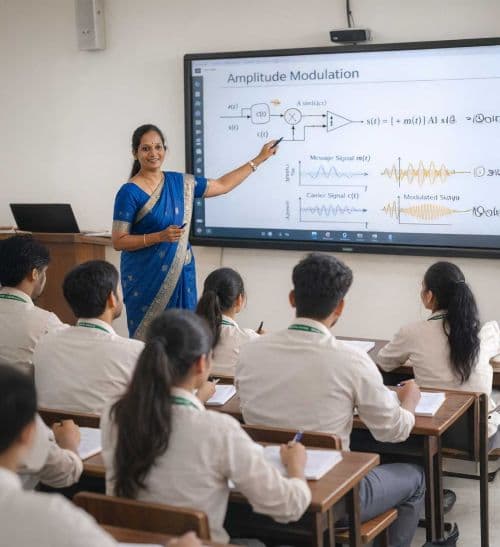
Experienced Faculty
Learn from a team of highly qualified and dedicated faculty members with rich academic and industry backgrounds, committed to student success.
Industry-Aligned Curriculum
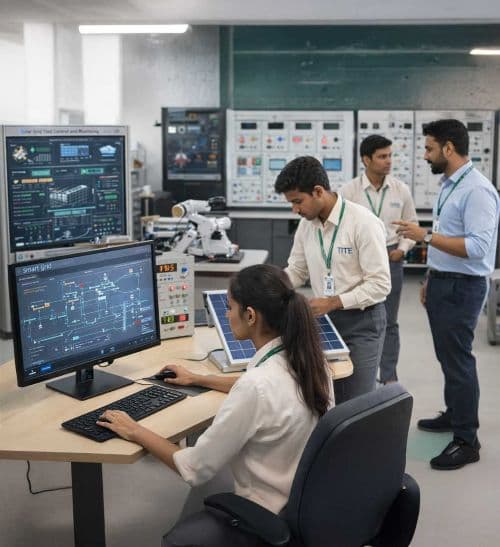
The program is designed to blend core electrical engineering concepts with emerging technologies such as automation, smart grids, and renewable energy systems.
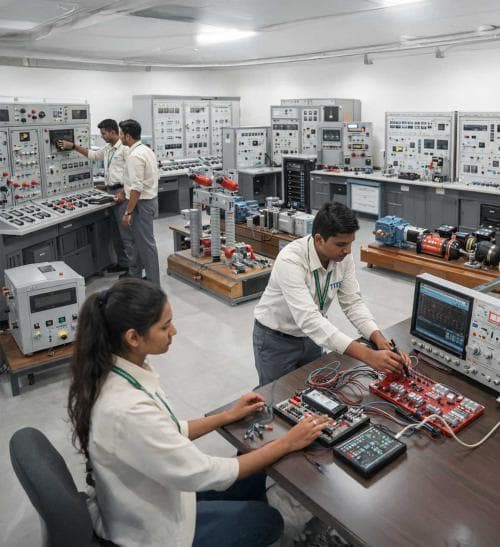
Advanced Laboratories
State-of-the-art laboratories in electrical machines, power electronics, control systems, and high-voltage engineering provide hands-on experience in real-world applications.
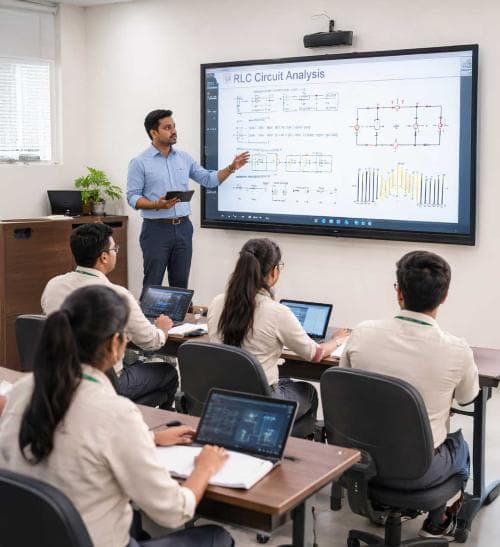
Smart Classroom Infrastructure
Modern classrooms equipped with digital teaching aids ensure an interactive and engaging learning experience.
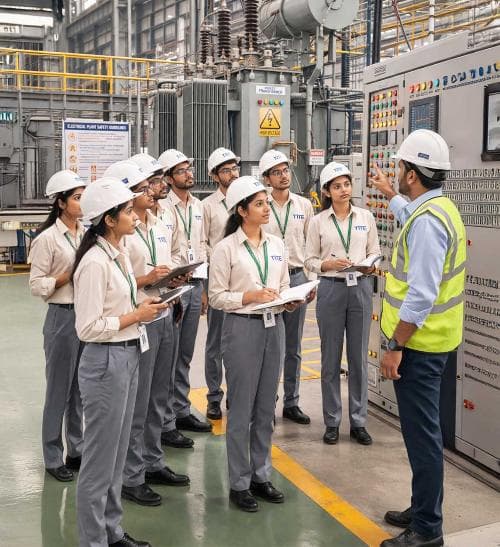
Industrial Visits and Internships
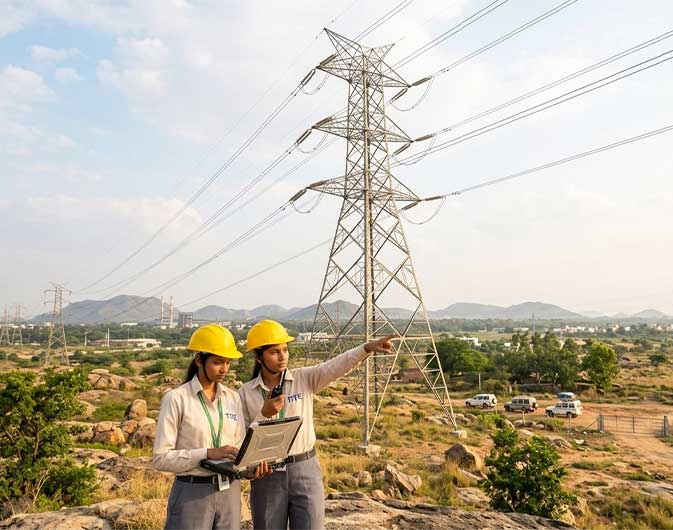
Regular industry visits, workshops, and internship opportunities help students gain exposure to current practices and technologies in the electrical engineering domain.
The Future Is TITE-Made
AI is reshaping industries. At TITE, we teach you to use it to shape your career—with guaranteed placements.

Bibhudutt Behera
Senior Associate — Technology & Transformation (2019–2023, CSE)


TITE didn't just give me a degree — it gave me direction. The faculty pushed us to think beyond textbooks, and the exposure to real-world tools prepared me for the demands of a company like Deloitte. Every challenge I face at work today, I can trace back to a lesson I learned on that campus.


Message from the head of department

Outcome-Based Education Framework
Program Outcomes (POs)
PO1 – Engineering Knowledge
Graduates will be able to apply the knowledge of mathematics, science, engineering fundamentals, and engineering specialization to solve complex engineering problems.
PO2 – Problem Analysis
Graduates will possess the ability to identify, formulate, review research literature, and analyze complex engineering problems using principles of mathematics, natural sciences, and engineering sciences to arrive at well-founded conclusions.
PO3 – Design and Development of Solutions
Graduates will be capable of designing solutions for complex engineering problems, including the design of system components or processes that meet specified needs while considering public health, safety, cultural, societal, and environmental factors.
PO4 – Investigation of Complex Problems
Graduates will be adept at conducting investigations using research-based knowledge and methods, including experiment design, data analysis, and synthesis, to derive valid conclusions.
PO5 – Modern Tool Usage
Graduates will be skilled in selecting and applying appropriate modern engineering and IT tools and techniques for complex engineering tasks, with a clear understanding of their limitations.
PO6 – The Engineer and Society
Graduates will be able to assess societal, health, safety, legal, and cultural issues informed by contextual knowledge, and understand their responsibilities as professional engineers.
PO7 – Environment and Sustainability
Graduates will understand the impact of engineering solutions in societal and environmental contexts and demonstrate a commitment to sustainable development.
PO8 – Ethics
Graduates will uphold ethical principles and commit to professional ethics, responsibilities, and norms of engineering practice.
PO9 – Individual and Team Work
Graduates will be effective team members and leaders, capable of working independently or collaboratively in diverse and multidisciplinary teams.
PO10 – Communication
Graduates will be able to communicate effectively on complex engineering activities with peers, the engineering community, and society at large, through clear reports, documentation, presentations, and instructions.
PO11 – Project Management and Finance
Graduates will demonstrate knowledge of engineering and management principles and apply them to manage projects effectively as individuals and team leaders in multidisciplinary environments.
PO12 – Life-Long Learning
Graduates will recognize the need for lifelong learning and be equipped to independently acquire and apply new knowledge and skills in the context of technological advancements.

Frequently Asked Questions
What is the scope of Electrical Engineering in BTech?
An enduring and extremely adaptable degree is a B.Tech in Electrical Engineering (EE) . In addition to opportunities in the IT and software industries, it leads to a variety of profitable career options in core power systems, renewable energy, automation, and electric vehicles.
What are the three main branches of electrical engineering?
The three main branches of electrical engineering are Power Engineering, Electronics Engineering, and Telecommunications/Communications Engineering.
Is electrical engineering heavy on math?
Most people agree that the most math-intensive engineering field is electrical engineering. Math is the main language used to build, analyze, and troubleshoot circuits and systems since you are dealing with abstract ideas and invisible forces.
How difficult is electrical engineering?
In reality dropout rates for electrical engineering are between 40 and 50 percent nationwide, making it one of the most difficult undergraduate majors.
What does an electrical engineer do daily?
Electrical engineers plan, create, test, and oversee the production of electrical and electronic devices. Every day, they strike a balance between computer-aided design (CAD) and practical debugging to make sure systems are dependable, safe, and economical.
